Gem Drytech Systems LLP designs belt, rotary and paddle dryers that turn municipal WWTP (IPALD) biosolids, septage (lumpur tinja) from IPLT facilities and water-treatment-plant sludge into stabilized, low-odor material for compost blending, fertilizer feedstock or fuel co-processing β cutting landfill (TPA) volume, supporting SPALD and KLHK wastewater compliance, and unlocking new revenue for utilities and operators. Paybacks typically under 3 years.
Fill in your details and get our comprehensive brochure instantly.
If any of these sound familiar, drying changes your economics.
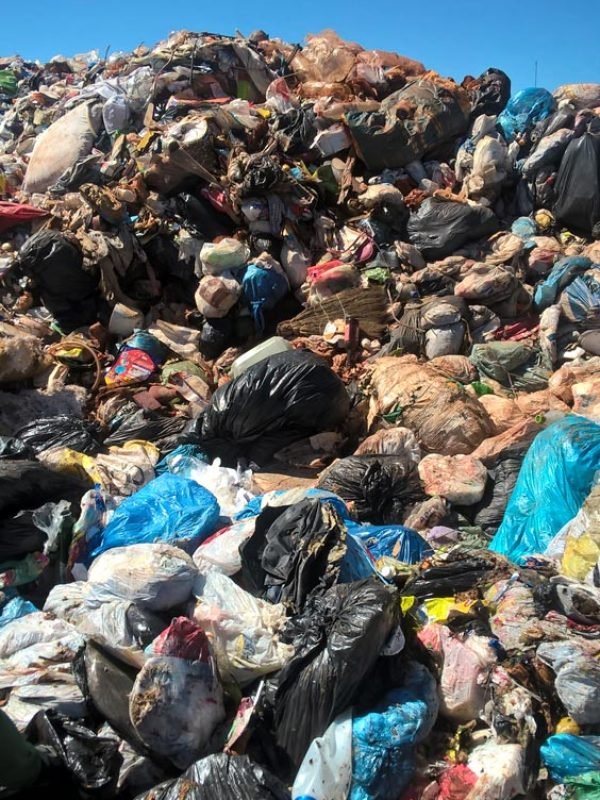
Wet biosolids and septage trucked to municipal TPA landfills decompose fast, generating leachate, methane and odor complaints, at a time when landfill capacity near many Indonesian cities is under increasing strain.
SPALD infrastructure (IPLT for septage, IPALD for centralized municipal wastewater) is governed under Permen PUPR No. 04/PRT/M/2017; treated effluent must meet the domestic wastewater quality standard under Permen LH/BPLH No. 11/2025 (tiered BOD/TSS limits by facility size, replacing Permen LHK No. 68/2016); and biosolids marketed as compost or fertilizer must meet the SNI 19-7030-2004 compost quality standard and, if sold as a registered product, Permentan No. 70/2011 on organic fertilizer. Dried, stabilized biosolids turn compliance into a feature.
Dried to 10β15% moisture, WWTP biosolids and IPLT septage become compost feedstock, blended organic fertilizer, or fuel for co-processing. Your biggest disposal cost becomes a revenue line.
Drying beds, sludge lagoons and shrinking TPA capacity near urban centers consume valuable land and draw community complaints β a growing constraint for utilities expanding SPALD-T coverage.
Cutting moisture from 75β85% to 10β15% reduces volume several-fold and per-tonne haulage cost sharply. Fewer truck trips to TPA, less spillage, fewer odor complaints along the route.
Typical payback on a Gem belt, rotary or paddle dryer is 2β3 years β often funded by compost/fertilizer or fuel revenue plus avoided disposal and compliance costs.
Regulatory citations current as of July 2026. Confirm current requirements with the relevant Dinas Lingkungan Hidup, the municipal SPALD operator, and KLHK before publishing or citing in client materials.
PDAM, Dinas Lingkungan Hidup and UPTD/BLUD air limbah leaders looking to turn biosolids and septage streams into a stabilized, revenue-generating product line.
Especially cities expanding SPALD-T (centralized) coverage and facing shrinking TPA capacity and rising haulage costs.
Evaluating belt, rotary or paddle dryers for a 10β100 TPD municipal biosolids or septage sludge stream.
Two illustrative scenarios from typical Indonesian municipal wastewater mass balances.
Illustrative economics based on typical moisture levels and Indonesian compost/fuel offtake prices. We model your exact ROI from your utility's biosolids/septage volume, moisture and offtake price during the pilot trial.
**These are approximate calculations. Actual values may vary depending on the specific client.
Every biosolids stream has a moisture profile β and a dried product it can become.
Activated-sludge biosolids dried to a stable, low-odor cake for compost or land application.
Septic-tank sludge collected via SPALD-S and treated at IPLT, dried and stabilized for reuse.
Coagulation sludge from drinking-water treatment dried for stabilized disposal or construction-material blending.
Dredged pond and channel sediment dried for stabilized, lower-volume disposal.
Biosolids blended with market or organic waste, dried toward SNI 19-7030-2004 compost quality.
Dried biosolids prepared for cement co-processing or boiler fuel blending.
To dryers running on four continents.
USA Β· Canada Β· Brazil Β· Argentina β Nutrativa Global, Basic Grain (USA)
Active expansion into the EU market β focus on sludge, biomass, food waste drying.
India Β· Philippines Β· Indonesia Β· Malaysia Β· Vietnam Β· Thailand Β· Sri Lanka β municipal and industrial sludge-drying references available on request
Representative offices established β TN Baker, Zimbabwe
Said in plain language. No consultancy-speak.
Dryers built to run continuously, not seasonally.
Specs accepted by regulators and buyers β SPALD framework (Permen PUPR 04/2017), domestic wastewater standard (Permen LH/BPLH 11/2025), SNI 19-7030-2004 compost quality, ISO.
Engineered for easy spares, predictable service β under 0.5% spares cost typical.
Repeatable moisture targets, batch after batch.
21+ years of design refinement built into every weld.
Pilot trial β right-sized capex β ROI as planned.
Founder-led β issues escalate without bureaucracy.
"The installation and commissioning of the dryer for belt press sludge and centri-cleaner sludge were carried out seamlessly. The equipment demonstrated reliable operation and high-quality workmanship."
"The dryer performed reliably and efficiently, exceeding our expectations in both functionality and safety standards. We confidently recommend Gem Drytech as a reliable partner."
"The output of the dryer is more than committed. We still continue to provide complimentary service to the client even after 4 years. Client refers us to other potential clients regularly."
Most clients move from first call to commissioning in 6β10 months.
30 min. We understand your biosolids/septage stream, current disposal cost, regulatory drivers.
Send us a sample. We run trials at our Kolkata pilot plant and share moisture data.
We size the dryer, propose technology, and build a financial model with your inputs.
Manufacture in 12β16 weeks, install, commission, train your team, and back it up.
We'll come back within 5 working days with a sizing recommendation and ROI model.
Email info@gemdryers.com βFill in the form and our experts will analyze your sample with a custom ROI model β typically within 5 working days.
Based on your specific volume and moisture
We test your sample at our Kolkata facility
Belt, rotary or paddle β we recommend the right fit
SPALD, KLHK & SNI requirements covered
All fields marked with * are required